- Home
- Invasive Lionfish Belize
Invasive Lionfish
Why Every Lionfish Removed Matters
The Belize Barrier Reef is one of the world’s greatest natural treasures, home to hundreds of fish species, colorful corals, sea turtles, rays, nurse sharks and countless other marine animals. Yet this extraordinary ecosystem faces many challenges, and one of the most damaging is an invader that does not belong here—the Indo-Pacific lionfish.
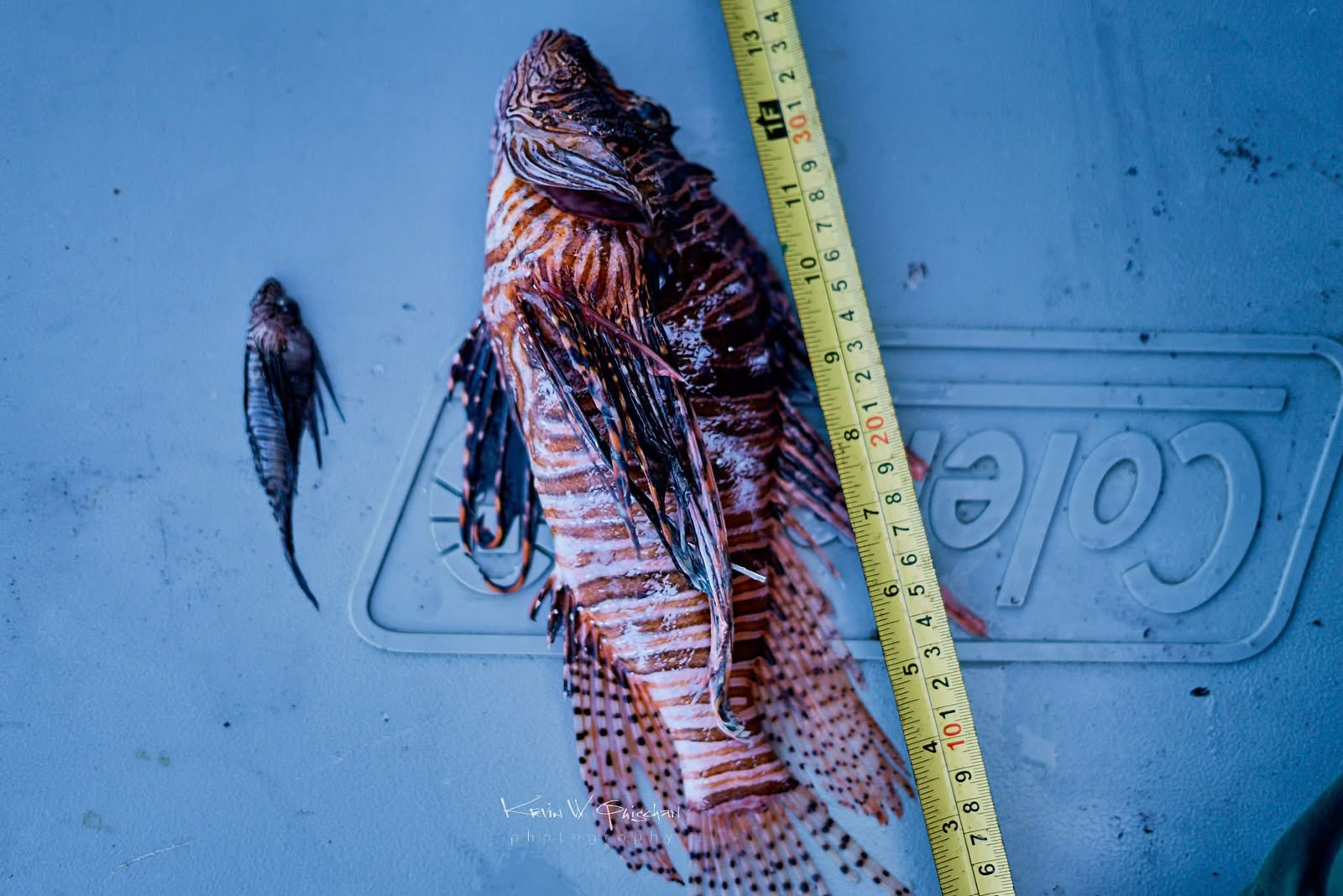
Lionfish were accidentally introduced into the western Atlantic during the 1980s and quickly spread throughout the Caribbean. In Belize they have no effective natural predators and reproduce year-round. A single mature female can release up to two million eggs every year, allowing populations to expand rapidly.
Their impact on the reef is dramatic. Lionfish are ambush predators that consume juvenile reef fish at an astonishing rate. Studies have shown they can reduce the recruitment of native reef fish by nearly 80% on some reefs. They prey heavily on the young fish that normally grow into the parrotfish, angelfish, wrasses, snappers and groupers that divers enjoy seeing and that help maintain a healthy reef ecosystem.
Parrotfish and other herbivores play a critical role by grazing algae from the reef. When lionfish reduce their numbers, algae can grow unchecked, making it harder for corals to survive and recover from storms, disease and warming seas. Every lionfish removed gives native reef fish a better chance to thrive..

Conservation You Can Take Part In
Unlike most conservation efforts where visitors simply observe, lionfish removal allows certified divers to become active participants in protecting the Belize Barrier Reef.
Using specially designed pole spears and following Fisheries Department regulations, trained divers selectively remove lionfish without harming coral or other marine life. Lionfish are the only fish species that scuba divers are legally permitted to spear in Belize, making every lionfish safari both an exciting dive and a meaningful conservation activity.
At Splash, safety always comes first. Every lionfish safari begins with a detailed briefing, specialized equipment and an experienced divemaster dedicated to the hunt. Sightseeing divers and lionfish hunters work separately with separate dedicated dive masters, ensuring an enjoyable experience for everyone on the boat.
And there is another benefit—lionfish are delicious. Their white, flaky fillets make excellent ceviche, grilled fillets and fish tacos. By eating lionfish, we help create demand for harvesting this invasive species while reducing pressure on native reef fish.
The lionfish dive trip is described at Lionfish Hunting in Belize

The Splash Annual Lionfish Derby
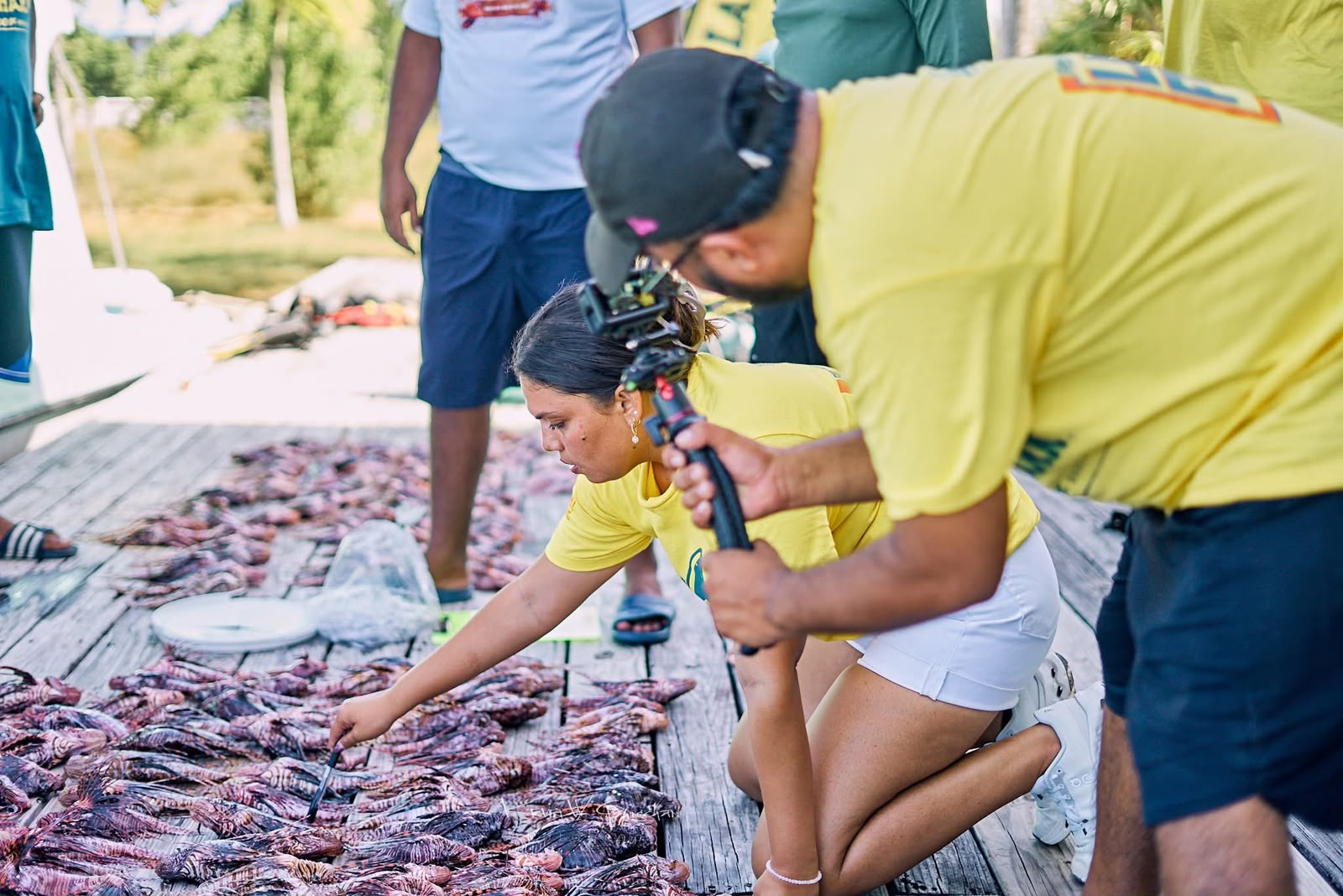
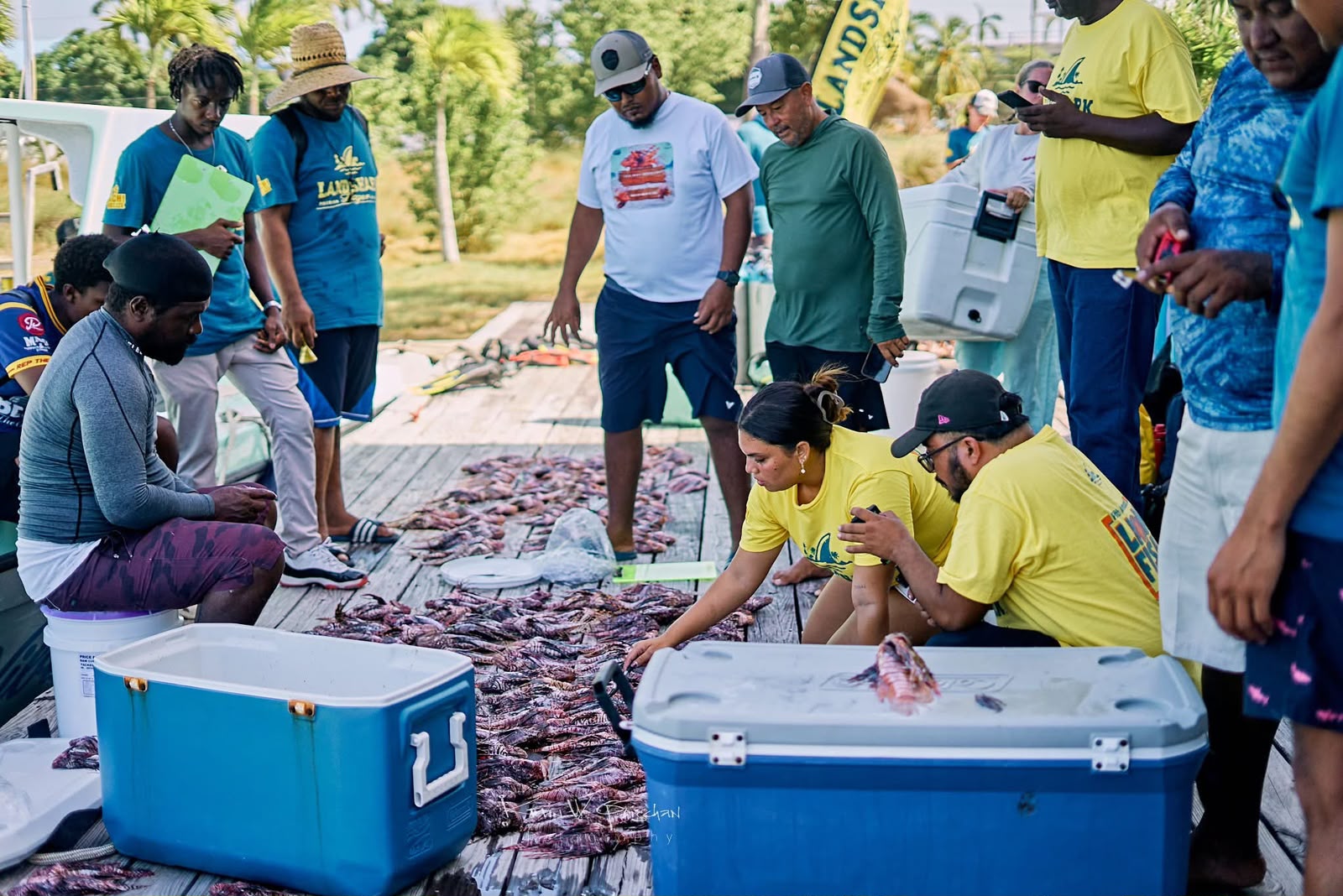
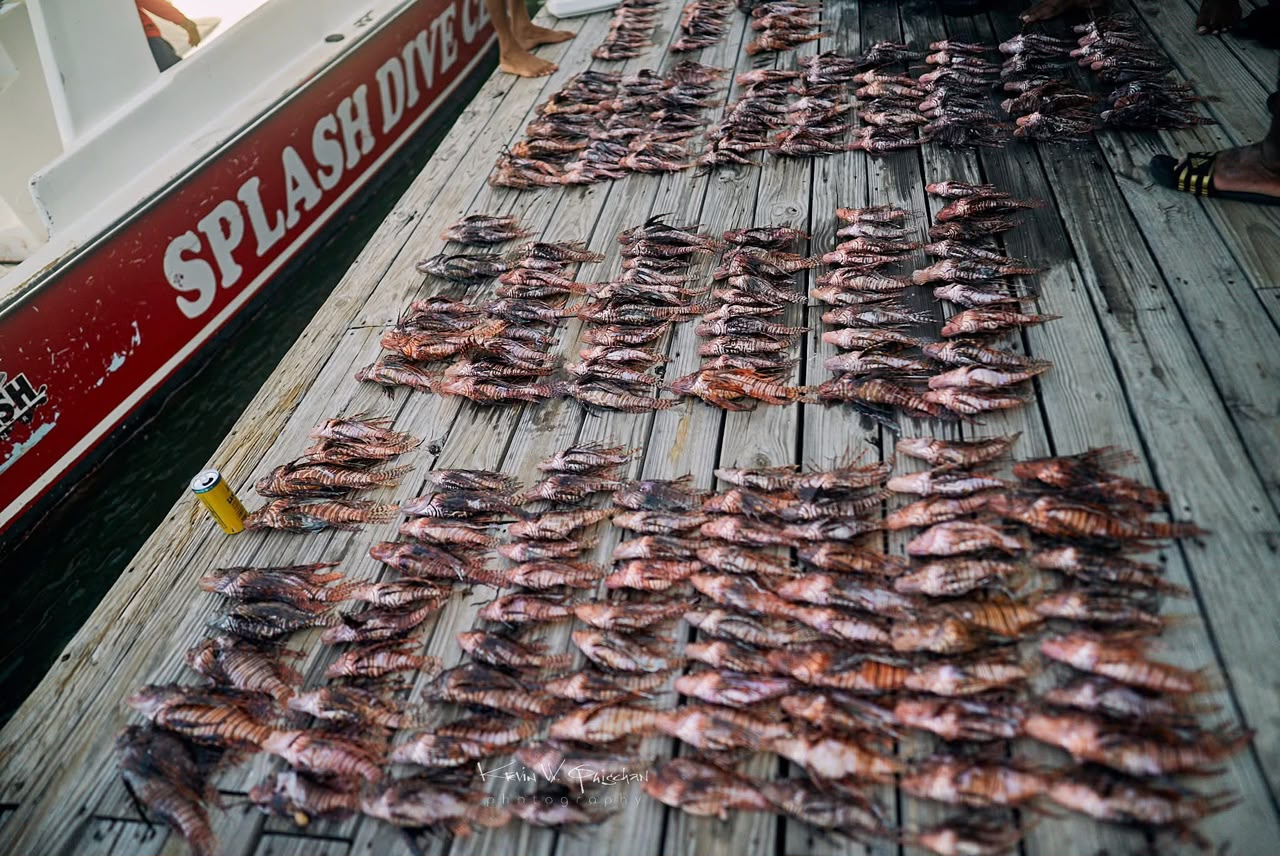
Every year Splash proudly hosts and sponsors our Annual Lionfish Derby, bringing together divers, conservationists, local businesses and members of the community for one purpose—to remove as many invasive lionfish from Belize’s reefs as possible.
The derby is much more than a competition. It is a community conservation event that raises awareness of the lionfish problem, encourages responsible harvesting, promotes lionfish as a sustainable seafood choice and celebrates everyone working to protect the Belize Barrier Reef.
Teams compete for prizes while contributing to a healthier reef, and every lionfish landed represents one less predator consuming juvenile reef fish. The event has become one of Splash’s signature conservation activities and reflects our belief that protecting Belize’s marine environment requires the participation of both residents and visiting divers.
When you dive with Splash, you’re not just exploring one of the world’s most spectacular reefs—you are helping preserve it for future generations.