About Belize – Travel Guide for Scuba Diving & Adventure
get startedAs you learn more about Belize, you’ll discover why it is one of Central America’s premier destinations for scuba diving, adventure travel, and eco-tourism. Before you visit, here are some essential facts to help you make the most of your Belize experience.
Belize has it all — three atolls, the longest barrier reef in the northern hemisphere, and whale shark diving. Additionally, you’ll find the Blue Hole, the Maya Mountains, and pristine jungle. Furthermore, untamed rivers, deep sea fishing, and adventure opportunities abound. Best of all, the people are among the friendliest in the world.
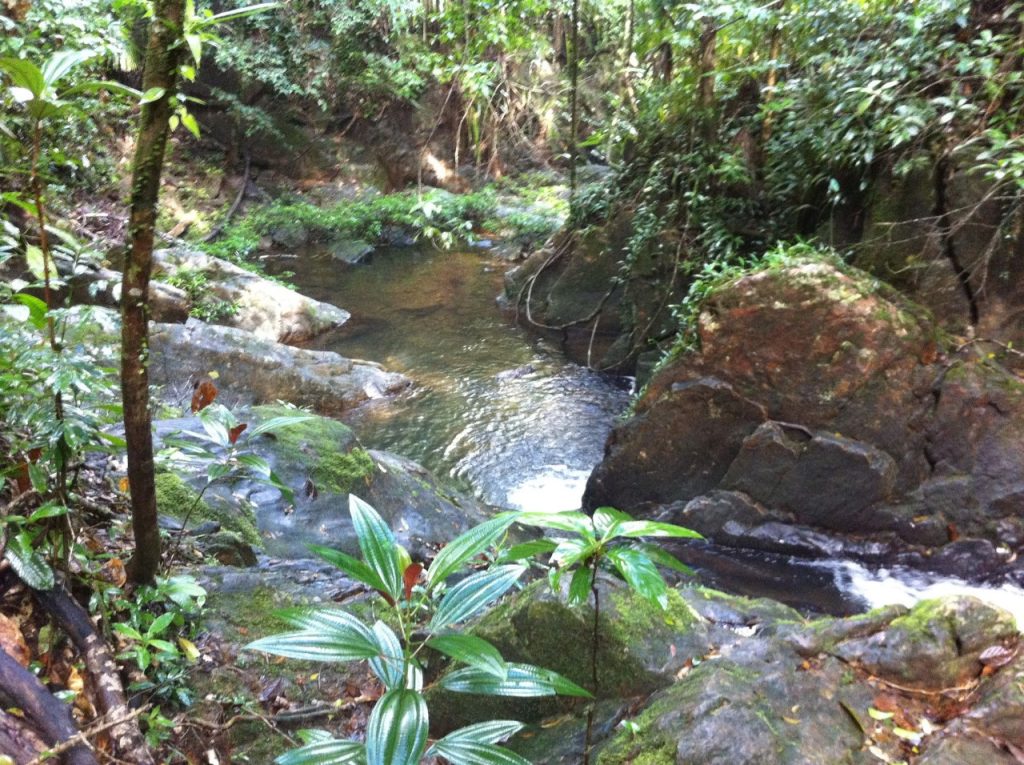
Belize has the lowest population density in Central America. Moreover, it has the highest percentage of protected areas of any country. When you fly over the country, all you see is green. In fact, most of the southern half is covered by national parks, wildlife sanctuaries, and forest reserves. Therefore, Belize is truly a Destination Eco-Tourism!
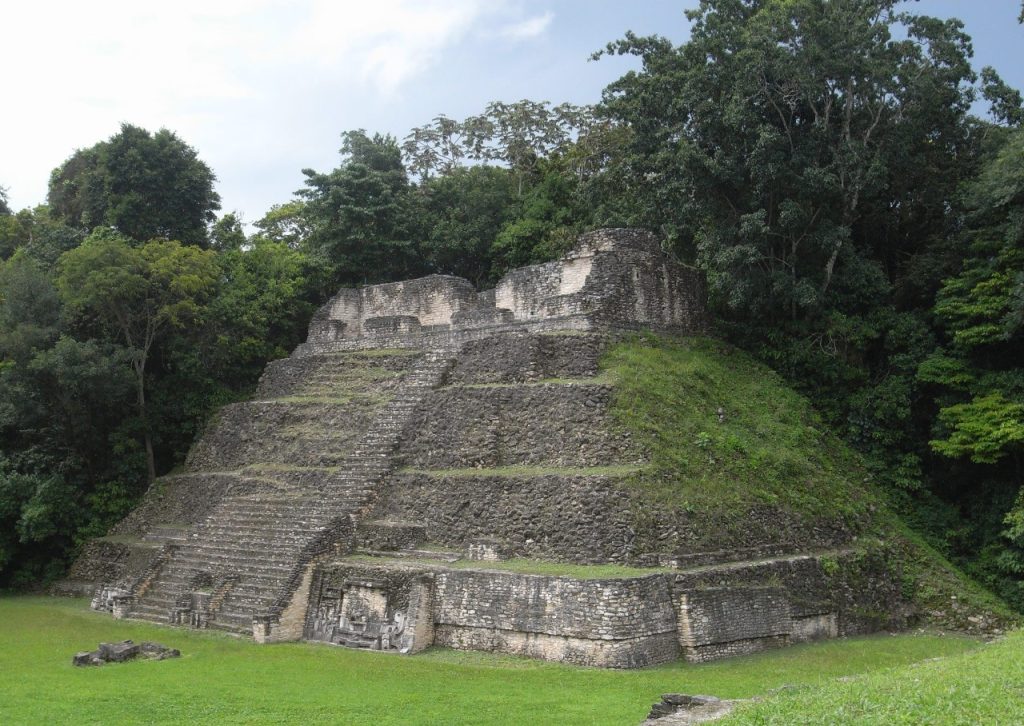
Belize was the center of the ancient Maya world. It has the most Maya sites per square mile of any country. Moreover, many of these sites have not yet been explored by archaeologists. Here you can experience Maya culture firsthand!
Best of all, Belize is the friendliest and most multicultural country in Central America.
Population
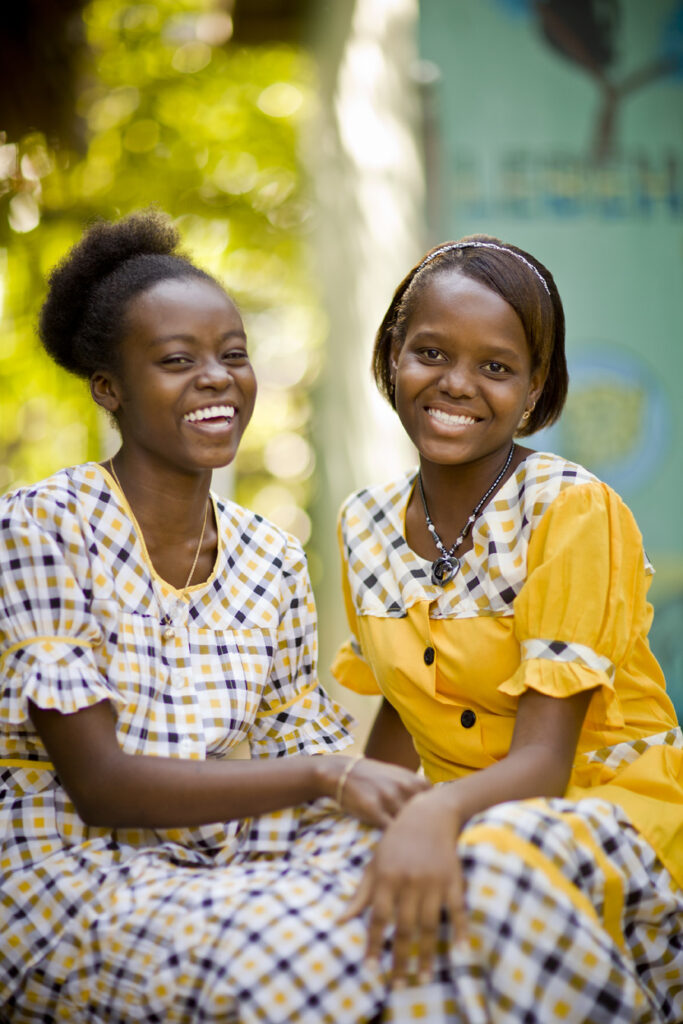
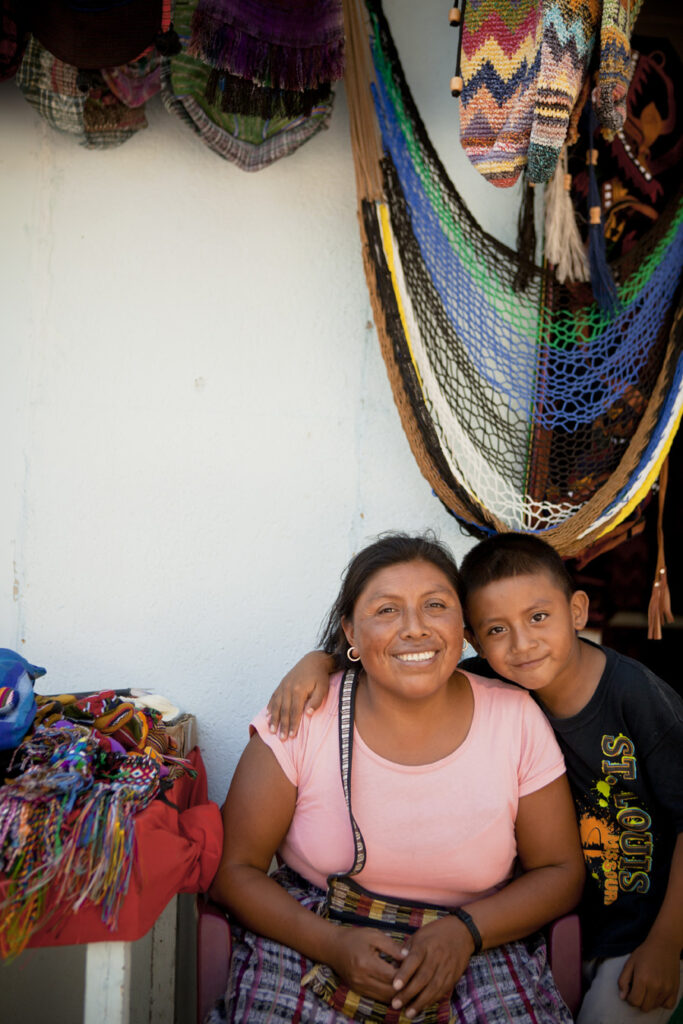
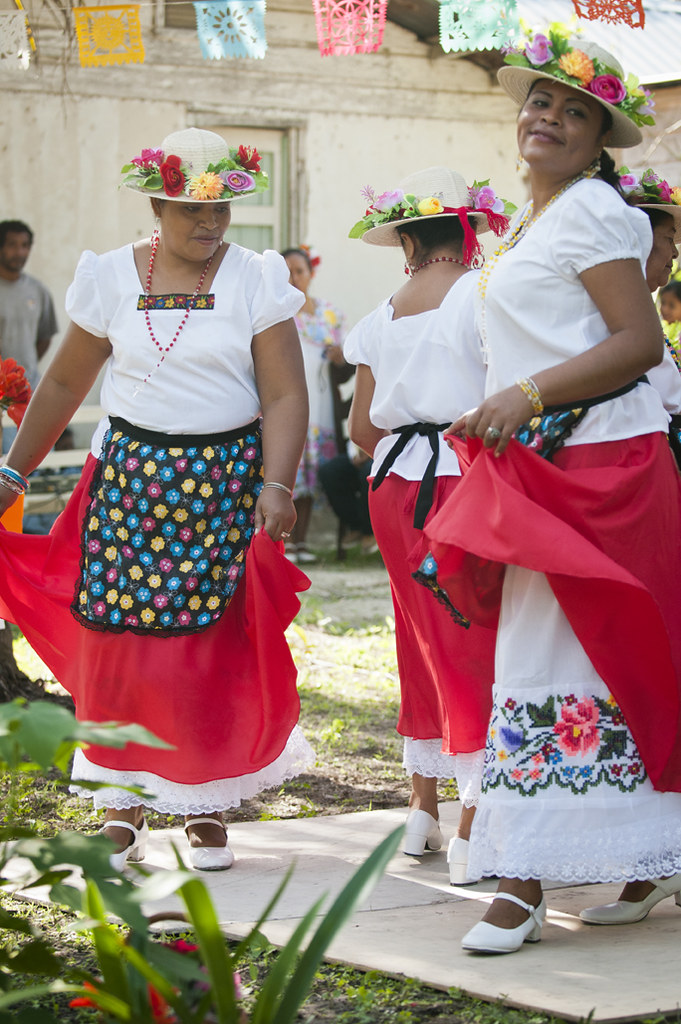
Belize’s population of around 430,000 is incredibly diverse. The largest ethnic group is the Mestizo, a mix of Spanish and Indigenous ancestry. The Kriols are descendants of African slaves and British settlers, while the Garifuna are descendents of African slaves who escaped from plantations on Caribben Islands and mixed with native caribes. The Maya include three main groups: the Yucatec, Mopan, and Q’eqchi’. Furthermore, The Garifuna language and culture are recognized by the United Nations and Belize has a National Garifuna Day. There are also communities of East Indians, Chinese, and Mennonites. The Mennonites are descendants of German and Dutch settlers, many of whom who maintain a traditional lifestyle similar to the Amish. Other Mennonites, who migrated from Canada operate large scale mechanized farms that produce a large share of Belize’s poultry, eggs, dairy products, grains, and many building materials and hardware products. As a result, this ethnic diversity makes Belize a unique and culturally vibrant nation.
Many eco-lodges and tour operators in Belize are dedicated to conservation efforts. In this way, tourism benefits local communities while preserving unique ecosystems for future generations. Whether you’re exploring the Cockscomb Wildlife Sanctuary or canoeing through cave systems, Belize is a haven for nature lovers offering sustainable, adventure-filled experiences.
Official Language
Belize is a multilingual country where English is the official language. This makes it unique in Central America. However, several other languages are also widely spoken. Belizean Creole (Kriol) is the most common in everyday conversation. Additionally, Spanish is prevalent in areas close to Mexico and Guatemala. German is spoken in the Mennonite communities.Other languages include Garifuna and Maya languages such as Q’eqchi’, Mopan, and Yucatec. This rich linguistic diversity reflects Belize’s multicultural identity.
Geography & Size
Though compact at just 8,867 square miles (22,966 square kilometers), Belize is rich in natural diversity, encompassing coastal plains, jungle-clad mountains, tropical rainforests, and an extensive network of cayes and islands along the Caribbean coast.
Weather
With its tropical climate and year-round warmth, Belize is an ideal destination in every season. Average temperatures range from 75°F to 85°F (24°C to 29°C), while cooling trade winds help keep coastal areas comfortable. Seasonal rainfall helps sustain the country’s rich natural beauty, with sunny days common throughout the year and brief tropical showers most frequent during the green season from June to November.
Time Zone
Belize is in the Central Time Zone year round. As there is Belize has no need for daylight savings time as the difference between the longest and shortest day of the year is only 2 hours.
Currency
Belize’s official currency is the Belize Dollar (BZD). It is pegged to the US Dollar at a fixed rate of 2 BZD to 1 USD. US Dollars are widely accepted throughout the country.
Government
Belize has a British-style bicameral parliamentary system and is a member of the British Commonwealth. King Charles is head of state, represented by a Governor General. The Prime Minister is Head of Government. Thirty-one members of the House of Representatives are elected in a general election while Senate members are appointed to ensure representation of public sectors and political parties.
Biodiversity
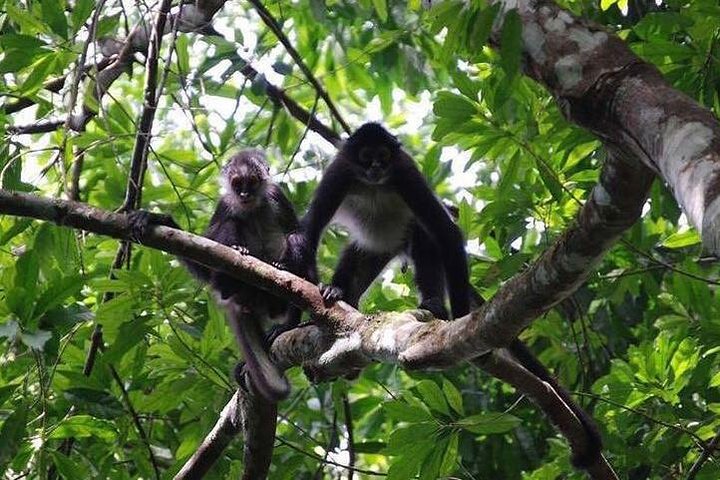
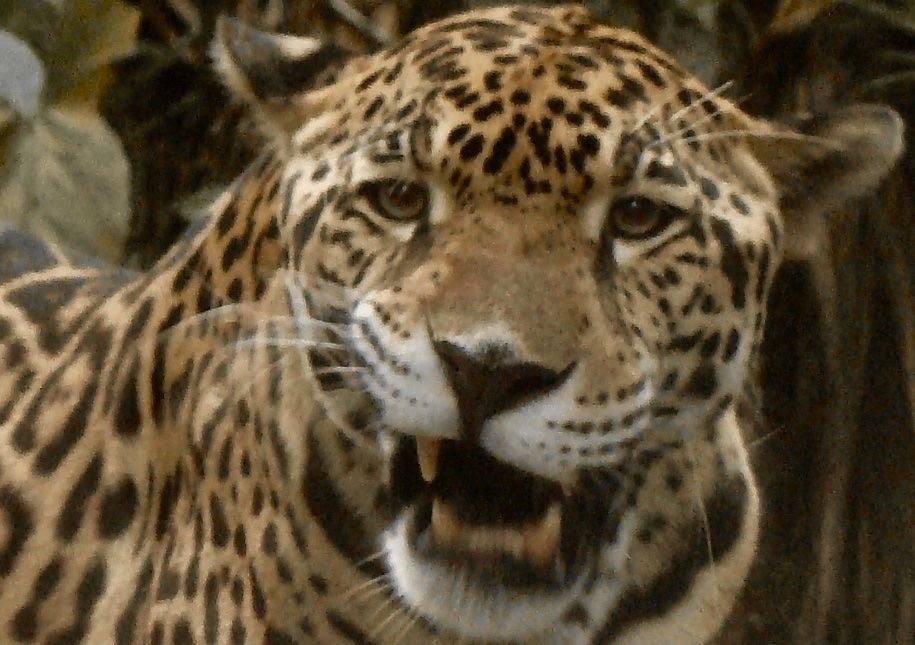
Belize is one of the most biologically diverse countries in the Caribbean and Central America. Its rich variety of ecosystems includes tropical rainforests, pine savannas, wetlands, mangroves, and the world-renowned Belize Barrier Reef. These habitats support an extraordinary abundance of wildlife, including more than 500 species of birds, among them the keel-billed toucan, Belize’s national bird. Visitors may also encounter jaguars, Baird’s tapirs, black howler monkeys, crocodiles, and countless species of reptiles, amphibians, and butterflies.
Beneath the waves, the Belize Barrier Reef teems with life, providing habitat for vibrant corals, sea turtles, manatees, whale sharks, rays, and hundreds of species of tropical fish. A network of national parks, marine reserves, and protected areas—including the renowned Cockscomb Basin Wildlife Sanctuary, the world’s first jaguar preserve—helps safeguard this remarkable natural heritage. Together, these ecosystems make Belize a premier destination for wildlife enthusiasts, eco-travelers, and anyone seeking a deeper connection with nature.